US-Israel Attacks Target Khamenei in Tehran: What it Means for Iran
In a dramatic escalation of long-standing geopolitical tensions, recent US and Israeli operations on Iranian soil have once again thrust the Islamic Republic into the global spotlight. These sophisticated attacks, reportedly targeting areas closely associated with Iran’s Supreme Leader, Ayatollah Ali Khamenei, in Tehran, carry profound implications. They threaten to derail delicate nuclear negotiations, raise serious questions about the stability of the region, and point to an audacious strategy aimed at potentially "decapitating" Iran's top leadership. Understanding the nature of these attacks and the figure at their center, Ayatollah Ali Khamenei, is crucial to grasping the high stakes involved in this intensifying conflict.
The Escalating Tensions: A New Front Targeting Iran's Leadership
Reports emerging from Iran indicate a new, aggressive phase in the covert war waged by the United States and Israel against the Islamic Republic. On a recent Saturday, multiple areas within Iran, including its capital, Tehran, became targets. Iranian media, notably the semi-official Tasnim news agency, reported that a volley of missiles struck locations of immense strategic and symbolic importance.
- Near the Presidential Palace: Seven missiles reportedly hit an area in Shemiran, to the north of Tehran, a district known for housing the presidential palace.
- Khamenei's Compound and Offices: Crucially, attacks also struck near the Supreme Leader's compound and offices within the capital, directly implicating Ayatollah Khamenei as a potential target.
The precise nature of these "attacks"—whether kinetic, cyber, or intelligence-driven—remains shrouded in ambiguity, but the symbolic weight is undeniable. While Iranian media suggested a nationwide scope, the focus on Tehran, particularly areas linked to its highest authority, signals a deliberate message. Compounding the uncertainty surrounding these events was the immediate question of Khamenei's safety and whereabouts. The Reuters news agency cited sources indicating that Khamenei was not in Tehran at the time of the strikes, having been transferred to a secure, undisclosed location. This movement underscores the gravity of the threat perceived by Iranian authorities and highlights the extreme sensitivity of targeting the figurehead of the Islamic Republic.
Who is Ayatollah Khamenei and Why is He a Target?
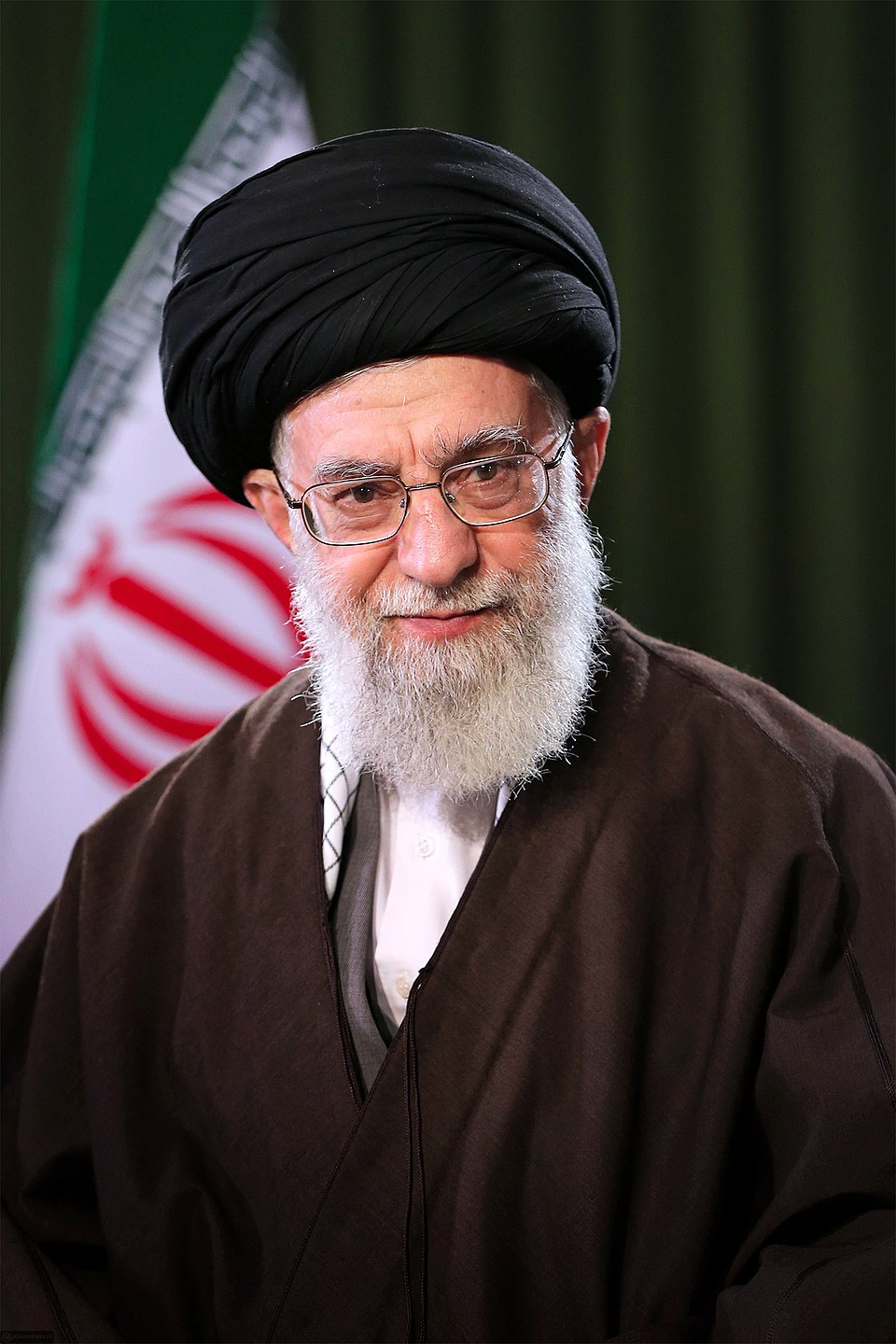
To comprehend the full significance of these attacks, one must first understand the man at the epicenter of Iran's political and spiritual life: Ayatollah Ali Khamenei. At 86 years old, Khamenei has served as Iran's Supreme Leader since 1989, succeeding the charismatic founder of the Islamic Republic, Ayatollah Ruhollah Khomeini, who led the 1979 revolution.
Khamenei holds an unparalleled position of power in Iran. He is not merely a spiritual guide; he wields ultimate authority over:
- All Branches of Government: Directing executive, legislative, and judicial policies.
- The Military: As Commander-in-Chief, he oversees all armed forces.
- The Judiciary: Appointing its most senior officials.
- Spiritual Leadership: Guiding the nation's religious and moral compass.
During his lengthy tenure, Khamenei has navigated a consistently adversarial relationship with the West, enduring intense international sanctions and confronting numerous rounds of domestic protests concerning the economy and human rights. He has consistently branded the United States as Iran’s "number one enemy," with Israel trailing close behind. Critical to his enduring power and the stability of the regime are the unwavering loyalty of Iran's premier security institutions: the Islamic Revolutionary Guard Corps (IRGC) and the hundreds of thousands of volunteers within the Basij paramilitary forces. These bodies serve as the ideological guardians of the revolution and the primary instruments of internal and external security.
Regarding Iran's contentious nuclear program, Khamenei has steadfastly maintained that Iran would never build a nuclear weapon, insisting its program is solely for civilian purposes. This assertion is notably supported by both US intelligence and the UN nuclear watchdog, which have found no evidence of Iran pursuing an atomic weapon. However, this narrative is fiercely contested by Israel and certain factions within past US administrations, who view Iran's nuclear capabilities as an existential threat. For a deeper dive into the strategic calculus behind such targeting, explore Why US and Israel Seek to "Decapitate" Iran's Khamenei Leadership.
The "Decapitation" Strategy and its Global Ramifications
The concept of "decapitation" in military and political strategy refers to targeting the head of an organization or state with the aim of paralyzing or collapsing the entire structure. The recent operations in Tehran, particularly those near Khamenei's residences and offices, strongly suggest such a strategy is at play. Officials from both the US and Israel have previously made explicit statements hinting at this aggressive posture.
Following a 12-day exchange of attacks between US-Israeli forces and Tehran's retaliatory measures, Israel's Defence Minister Israel Katz declared that Khamenei "cannot continue to exist." He elaborated, "A dictator like Khamenei who stands at the head of a state like Iran and has the horrible goal of destroying Israel – cannot continue to exist." In the same month, then-Prime Minister Benjamin Netanyahu of Israel went further, suggesting that Israel had not ruled out attempting to assassinate Khamenei, an act he asserted would "end" the protracted conflict between the two adversaries. These statements, emanating from Jerusalem, underscore the severity of the intent and the audacious nature of the proposed strategy.
The ramifications of such a strategy are immense and fraught with peril:
- Internal Instability: A successful "decapitation" could plunge Iran into an unpredictable power vacuum, potentially leading to factional struggles, widespread unrest, or even civil conflict.
- Unpredictable Succession: While mechanisms for succession exist, the abrupt removal of the Supreme Leader would test the stability of Iran's complex political system, potentially paving the way for a hardliner or a more reform-minded figure, with unknown consequences.
- Regional Escalation: An attack targeting the Supreme Leader would almost certainly trigger severe retaliation from Iran, potentially igniting a wider regional conflict involving proxies and direct military confrontation across the Middle East.
- International Condemnation: Such an act would constitute an egregious breach of international law, likely drawing widespread condemnation and further complicating global diplomatic efforts.
The decision to pursue a "decapitation" strategy against Khamenei in Tehran is not merely a military one; it's a profound gamble with the stability of the entire region. The implications of Israel's explicit threats against Iran's top leader are meticulously analyzed in Israel's Threats to "End" Khamenei: Escalating Iran Conflict, highlighting the dangerous trajectory of this ongoing confrontation.
Implications for Nuclear Negotiations and Regional Stability
The latest wave of US-Israeli attacks targeting areas linked to Khamenei in Tehran has cast a long shadow over already fragile nuclear negotiations. The timing is particularly critical, as efforts to revive the Joint Comprehensive Plan of Action (JCPOA), or negotiate a new nuclear deal, have faced numerous setbacks. Such aggressive actions inevitably harden stances, deepen distrust, and make diplomatic breakthroughs exponentially more challenging. From the perspective of Iran, these attacks serve as proof that the US and Israel cannot be trusted, potentially pushing the Islamic Republic towards accelerating its nuclear program or withdrawing from international agreements entirely.
Beyond the nuclear dossier, the implications for broader regional stability are profound. The Middle East is a complex tapestry of alliances and rivalries, where any significant escalation can trigger a cascade of reactions:
- Heightened Proxy Conflicts: Iran's response might manifest through its extensive network of regional proxies, including Hezbollah in Lebanon, Houthi rebels in Yemen, and various militias in Iraq and Syria, leading to increased tensions with Saudi Arabia and other Gulf states.
- Energy Market Volatility: Any significant disruption in the region, particularly involving the Strait of Hormuz, could send oil prices soaring, impacting the global economy.
- Risk of Miscalculation: The direct targeting of a nation's supreme leader, even if symbolic, raises the risk of miscalculation, where one party's defensive action is perceived as an offensive move by another, spiraling into wider conflict.
- International Diplomacy: The international community faces the challenge of de-escalating tensions while upholding non-proliferation principles. The attacks complicate efforts by European powers and others to mediate a peaceful resolution.
The aggressive posture from Washington and Jerusalem against Iran's top leadership creates a volatile environment. It reinforces the image of a long-standing ideological conflict, where the stakes involve not only nuclear proliferation but also the very leadership structure of a sovereign nation. The question remains whether such a high-risk strategy can achieve its objectives without unleashing an even greater storm upon an already tumultuous region.
The recent US-Israeli attacks targeting areas linked to Ayatollah Ali Khamenei in Tehran represent a dangerous new chapter in the enduring conflict surrounding Iran. These operations, whether intended as a direct attempt at "decapitation" or a powerful deterrent signal, have undoubtedly deepened the chasm between Iran and its adversaries. While the immediate aftermath reveals uncertainty regarding Khamenei's location and Iran's precise response, the long-term implications are clear: nuclear negotiations are further imperiled, regional stability is more precarious, and the risk of wider conflict has intensified. The intricate web of geopolitics, featuring the prominent figure of Khamenei, the strategic importance of Tehran, and the assertive posture from Jerusalem, continues to define a region perpetually on the brink. Navigating this fraught landscape will require extraordinary diplomatic skill and restraint from all parties, lest the pursuit of strategic advantage ignite an uncontrollable blaze.